What I learned after going to South Korea:
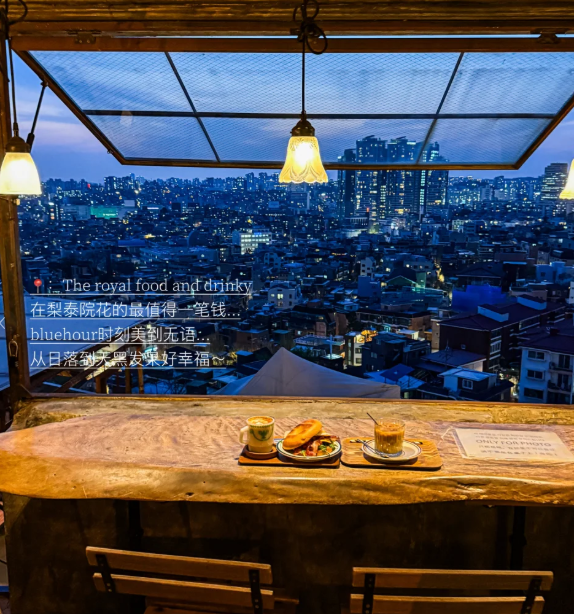
- Food culture: Koreans 'love for kimchi far exceeds imagination. There are many types of kimchi and are a must-have for almost every meal. In addition, Koreans pay attention to etiquette when eating, such as elders using chopsticks first and eating without bowls. In South Korea's diet, beef is expensive, especially Korean beef, while the price of vegetables, such as millet seeds, is sometimes staggering. Koreans have a high degree of love for instant noodles. Instant noodles have become one of the staple foods and are cooked in various ways.
- Makeup and fashion: Koreans have extremely high requirements on appearance. Makeup is not limited to women, but men also use cosmetics. Young people, middle-aged people and even the elderly pay attention to dressing up, and cosmetic surgery is very common in South Korea. In terms of fashion, Koreans keep up with trends and dress in a fashionable and appropriate manner. Especially young people, they are very sensitive to trends.
- Social etiquette: Koreans attach great importance to etiquette, especially the order of seniority and seniority among elders. In social occasions, honorific words need to be used to treat elders and superiors, and there are also specific etiquette when shaking hands. For example, when a younger generation shakes hands with an elder, they need to place their left hand lightly on their right hand and bow and shake each other. In addition, Koreans often bow when meeting, while women often bow or nod.
- Living habits: Koreans pay attention to personal hygiene, and brushing their teeth after meals has become a habit and frequently. In public places, such as subways and shopping malls, people can often be seen brushing their teeth. In addition, Koreans have a special preference for slippers. Almost everyone has a pair. Koreans wearing slippers can be seen at home, library or classroom.
- Nightlife and overtime culture: Koreans have rich nightlife. After work, they often have dinner and drink with colleagues or friends, and the dinner culture is frequent, one round after another. This nightlife culture has also led to widespread overtime among Koreans, with long overtime hours and high work pressure.
- Garbage classification and environmental protection: Koreans are very strict about garbage classification. Whether at home or in public places, recyclable garbage, food waste and general garbage are placed separately. This strict garbage classification system contributes to environmental protection and resource recycling.
- Language and writing: Although the South Korean government implements a policy of abolishing Chinese characters, Chinese characters still have a certain influence in Korean society, especially in legal, academic and other fields. In addition, there are a large number of Chinese words and loanwords in Korean, especially English loanwords, which can be seen everywhere in daily communication.
- Tourism and shopping: South Korea is rich in tourism resources, and Seoul, Busan, Jeju Island and other places are popular tourist destinations. In terms of shopping, South Korea's beauty products, fashion clothing, etc. are very popular among tourists. In addition, duty-free shops in South Korea are also good places to shop, with affordable prices and a wide variety.
- Social phenomena: There are some unique phenomena in Korean society, such as the huge influence of chaebol and close political and business relations. In addition, the high pressure in Korean society has also led to some social problems, such as high suicide rates.